My Expression, Your Curation: The Blogger-Reader Symbiosis
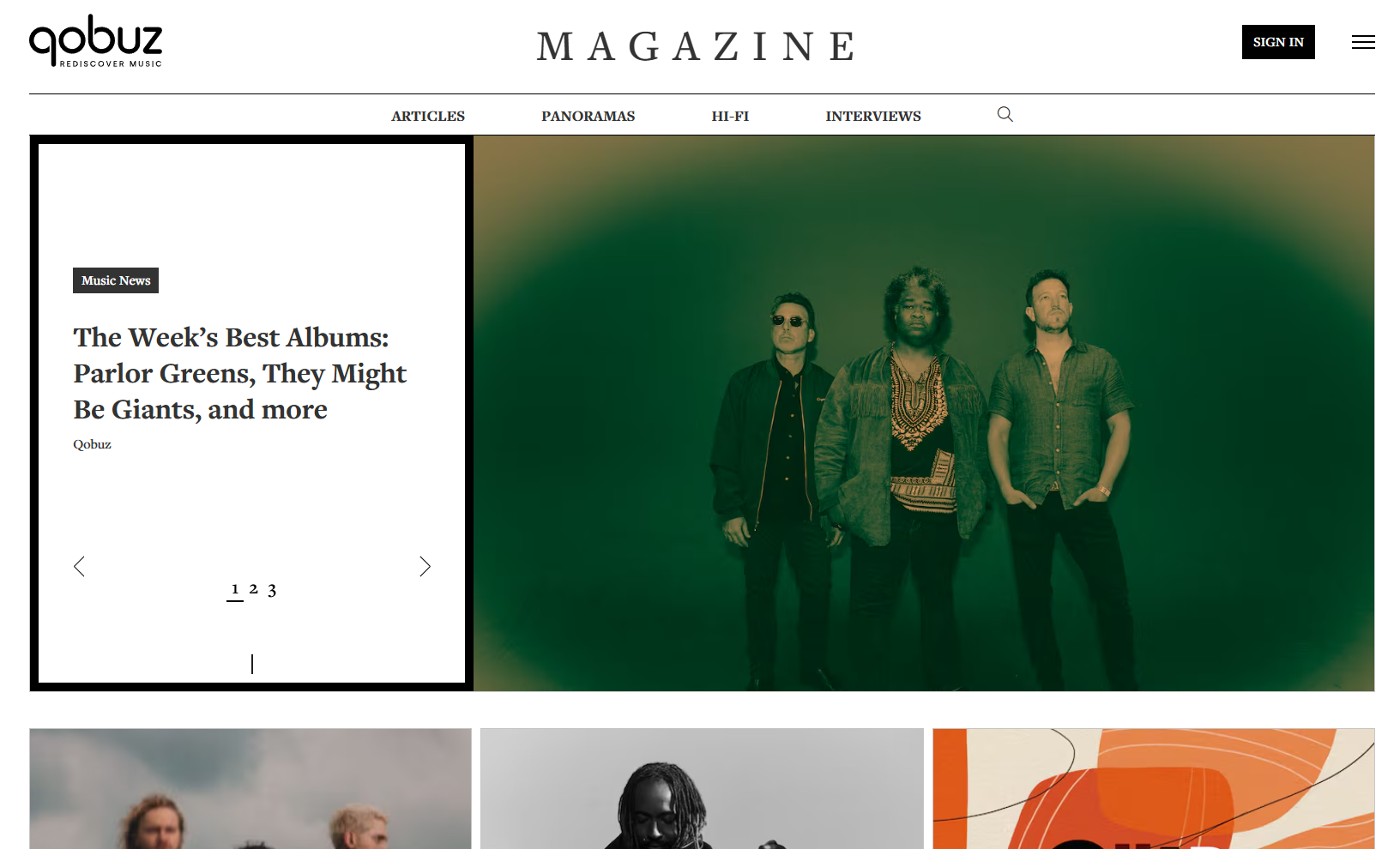
Qobuz Website
I’m going to be honest, the whole “drop Spotify because of war crimes and pick up an iPod” argument always fell flat to me. No one is happy with their damn iPods in 2026 and the children yearn for their Wraps. And that’s okay, it makes sense. You can switch to Qobuz (Which I think is objectively the best) or Tidal (also great, but less charisma), or stick to iTunes (she said, looking back at the tens of dollars in songs she bough in the 00s). You can manually acquire music and load it up on some FOSS app. There are ways to remedy the heart and the ears.
And believe me, I’ve tried.
I’m no stranger to self-harming my way to more ethical means of media ownership. I bought a Networked-Attached Storage (NAS) - a media and documents server - which I then bought physical media, ripped each disc manually, and uploaded them into Plex for streaming. It sucked and took hours, but I wanted to see if it was possible. I also tried this with music, getting MP4 files from sites like Bandcamp and 7zip. I used apps sourced from F-Droid, a free and open source app store without Google surveillance. And, they were all mid. But, the apps weren’t really the problem, it was music discovery and ease of accessing the media. Of which, many apps and services (regardless of medium) typically lack. I can’t listen to the same music for years on end or the same few seasons of the same few shows. I yearn and pine for new media.
And, I’m tired of that ethical tech life, Grandpa. I want it to be easy again. Luckily, I found a way.
The first revelation was that I simply can’t do without instant access to music. If I am exploring new artists and songs, the friction and time delay of finding the new music and having it ready to try out on my phone needs to be near instantaneous or I become quickly frustrated. I love having a weekly routine of snagging new music recs and listening through a few albums to find new favorites, and the rabbit holes they eventually send me down. The second revelation is that algorithmic curation isn’t necessary, but some curation is. I’m a newsletter girl down. I have a very clean and tidy email filtering system which means every email I get is likely one I will read. I now have a few newsletters - most notably the Qobuz weekly - which I instantly load their new music recs onto Tidal. There are other options like NTS, YouTube curators, and other newsletters, but just the Qobuz weekly recs and word-of-mouth has been enough for me so far.
Both revelations were motivated by my weekly blog, Media Noms, where I post all of my new media recs/thoughts. What spurred this blog post though was a new addition to my regular posting, Boggy Jams - playlists that I post which are made of all the new (to me) music I liked that month. So, I load up the new albums on Tidal, listen to each, and hit like on whatever strikes me. I throw all of the likes over the course the month into an aptly titled playlist and post it to my blog.
Each playlist then exists as both a time capsule and a recommendation. It serves as a tool for reflection and expression on my end, and fills the gap for friends and whatever freaks find the blog. By nature, they are pretty diverse musically, so they can’t really be listened to over and over again. My hope is that it’s one more spot on the internet people can get a new music buzz, without relying on internal recommendation algorithms, which are more and more becoming filled with AI-generated dupes to steal more money from artists. It also builds a relationship with someone, anonymous or not, somewhere in the world.
I know it isn’t the biggest epiphany in the world - that you can find music curation/recommendation somewhere between algorithms and digging in record crates - but it has been super impactful to me. It’s not about this being the right way, but inspiring others to post their new music (start a blog already, loser) and tap into music recs that make you feel better, more connected, and seen. It’s a good time and costs me the same or less time. Yes, the algorithms are always there, but they suck at curating. So, over time I’m having a much better experience.