Oh, She's Bookish: My Darling Dreadful Thing
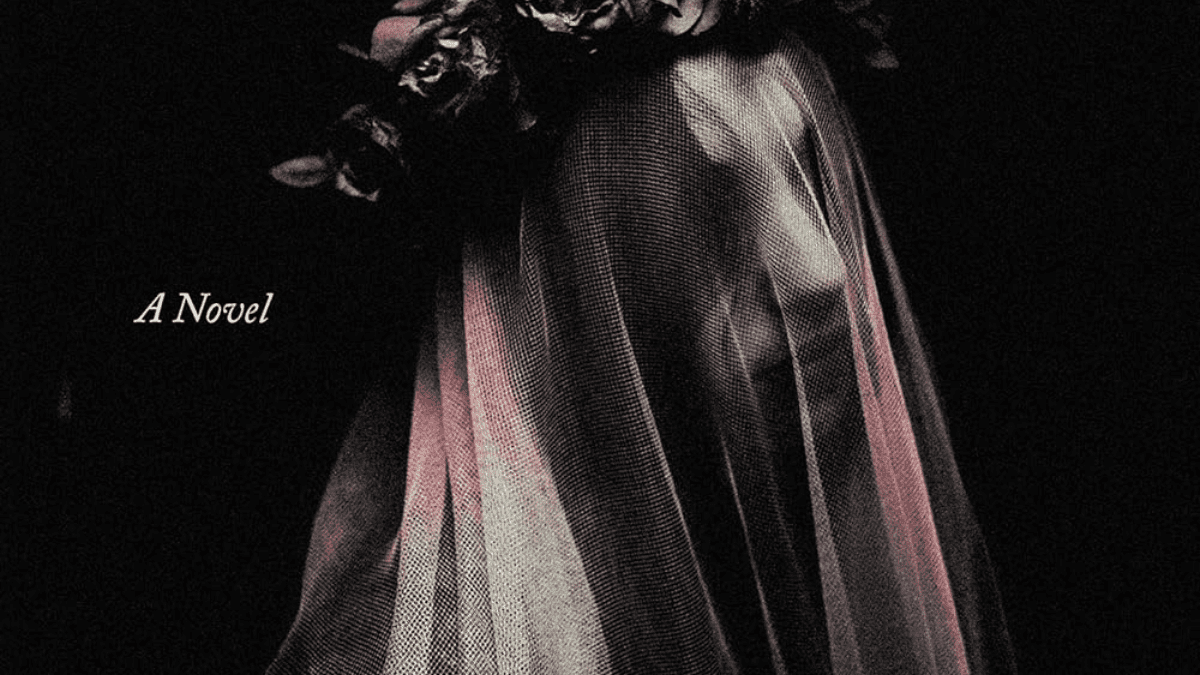
Ny Darling Dreadful Thing, Book Cover Image
Completed: May 11th, 2026
I believe this is the fourth gothic horror book I’ve completed since the fall! Having never read the genre before, I am ecstatic to continue chugging along. Especially because there are a number of quality, sapphic gothic horror novels I was completely unaware of.
This particular book came as a special recommendation. I understand why, I stayed up until 3AM needing to finish the last third of the book and it laid me on my ass.
My Darling Dreadful Thing is the story of Roosje, the daughter of parents who died young who was sent to live with an aunt in a dreary old house performing seances. Here she is beaten and thrown beneath floorboards as she engineers paranormal moments for guests until her late teens. A well-to-do woman named Agnes witnesses her seance performance and essentially buys her from her aunt, and she is whisked off to an estate in the countryside forever more.
I adore this book. I have as many, if not more, complaints than compliments, but it swings for the fences and hits on most of it sets out to do.
Light spoilers ahead!
Roosje is perfectly fucked up. She has the mind of someone years younger than her, the trauma to keep her set in those ways, and a delightfully controlling and vindictive reanimated corpse companion. This book opens with two batshit scenes that set the tone for the rest of the novel. First, Roosje is performing a seance for a noblewoman who has recently lost her husband and desperately wishes to talk to him again. During the seance Roosje makes out with the noblewoman. All the while in Roosje mind she’s battling against giving Agnes what she wants and genuinely getting off on the intimacy. Par excellence. Second would be the origin story of Ruth, her corpse familiar. Shoved in the crawl space beneath the floorboards, Roosje manipulated furniture pieces to convince paying guests of her aunt’s supernatural powers, and one day she cuts herself on exposed metal which allows Ruth, a marionette-esque corpse girl, to rise and become attached to Roosje. This book is excellent at creating atmosphere, especially early on in the book. I think the strength is that the world is fairly small and the author is talented in making the small spaces feel lived in.
These two moments authentically rise from who Roosje is and the specific traumas she endured from an early age, and they feed the gothic horror themes and setup for some fucked up sapphic moments in the future.
I think that the interviews with Doctor Montague deserve their flowers. The interviews with the doctor interspersed are excellent. They balance the intensive, detailed narrative with short, often funny vignettes of a Roosje well-mature. The author somehow gives the whole ending away through these, but it only makes you more compelled and surprised by the end. I still don’t understand the physics of it, but I am glad for it. The story becomes more tangled and filled with flaws as you get deeper into the book, but Roosje’s need to please Agnes for saving her - and her budding feelings for her - builds up into a brilliant misdirect that leads to the crescendo moment in the book. Roosje’s convincing naïveté and sheltered life breaks the woman she ends up falling for. This is such a woman book. Every tension - possessiveness, jealousy, envy, motherhood, infidelity, lust, love - they all feel pickled in the essence of the unique form of torture and yearning only women can bestow amongst each other. I also think that in general Ruth and Peter, the animated corpse spirits, are written very well. They have their own unique character and tone which makes them fun to read, but unique unto their own. Also, the sex scenes are written pretty well too! Amongst the notable flaws is how strangely the author talks about Indonesia and colonialism. It feels exceptionally out-of-character for Roosje to have an opinion, given her upbringing, and for the main character to have such a modern sensibility about it all. If you can’t write brown characters, then don’t.
Overall, I love the moments when this book doesn’t make sense. How Roosje can feel attraction and desire for Agnes’ male spirit companion, but not a human man. How Agnes and Roosje’s intimacy is almost always to fulfill some perverse emptiness cause by Agnes’ dead husband. They are both horribly broken in their own ways, and it works. It makes all of the issues forgivable, except one - the ending.
Major Spoilers Ahead!
In the end, Agnes dies from an overdose of medication meant to disappear spirits. This is honestly fine. Heartbreaking, but somewhat in character. The core tension being that Ruth, Roosje’s companion, attempted to kill Agnes causing them to split. I thought that the Roosje’s misunderstanding leading to the standoff with Thomas was genuinely creative and fun, though it did drag on too long. It was laughably silly with the whole “Thomas moved the statues one foot closer everyday.” This is important because these two moments are the foundation for the truly awful ending of this book. Holy whiff.
There are two parts of this book that have no business being written. First, is the trial after the events of the estate. The dialogue of Roosje’s psych-eval are lightly interspersed throughout the whole story and I think are a really creative and very well executed part of the book. The contrast of her maturity, especially early on, and the genuine humor within them adds so much to the book. However, the end of the book finishes the psyche evals and puts Roosje on trial, to which she is acquitted in the most nothing chapter with introduced characters that are boring and disappear as soon as they arrive, and it ends with Roosje being inexplicably cared for by a paternalistic man - which if you read this book you know cannot happen. Roosje’s experience being SA’d, the fact she is sapphic, and everything that happened with Thomas would never allow this to happen. The second major ending issues is that she calls Ruth back with no consequences, no accountability, and - what the fuck - neither of them have changed at all. The point of a book is for the main character to change. To grow or become worse because of the journey they go on. Her calling back Ruth with the no change to either character makes the events of the book lose most of their meaning.
Truly, this last section of the book could be ripped from its binding and it instantly improves by 20%. Regardless, I think I love this book. It’s quirky and unique. It makes decisions that are incomprehensible and that stick in your brain. It has probably the best opening conceit I’ve read in quite some time. It is 100% worth the read, and I feel so strongly about the ending because it spoils what is otherwise a lovely, gut wrenching experience.
Also, the absence of monster fucking is atrocious to leave out. Every piece to build up to Roosje fucking either of the spirits is there from the beginning.